CPU stories
The move gives businesses running sensitive AI workloads hardware-enforced protection for prompts, model weights and intermediate data in Google Cloud.
Traditional data centre designs are being overtaken as AI clusters push rack loads to 50-100kW and demand liquid cooling, faster builds and more power.
Healthcare groups can now screen records as the new models are designed to flag eligibility, privacy and review issues from clinical text.
Database administrators can now test performance recommendations on cloned instances before changing production, reducing risk and setup time for Cloud SQL users.
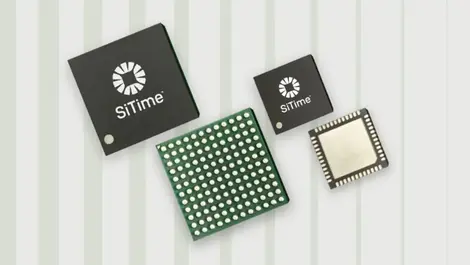
AI data-centre builders face tighter timing margins as SiTime's new clock families aim to support faster 224G and PCIe 7 systems.
The new design could let operators devote 90 MW of every 100 MW of provisioned capacity to servers, easing power constraints for AI build-outs.
Developers may cut glue code and maintenance costs as the Warsaw-based platform reaches production use after alpha and beta testing.
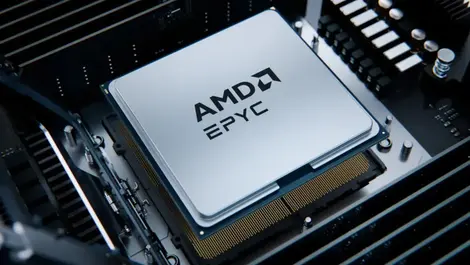
The new chips are already shipping from major hardware vendors as AMD targets heavier AI and cloud workloads in the data centre.
The deal will help DKRZ cut energy use by about 75% per simulated year as it replaces Levante with a new climate modelling system in 2028.
Rising AI assistant traffic is forcing travel platforms to return bookable fares faster, prompting Amadeus to test NVIDIA chips and models.
Customers will soon get broader access to NVIDIA Vera Rubin systems on Oracle Cloud Infrastructure, as the pair scale AI capacity for training and agents.
The deal should give enterprise customers more capacity for AI agents and inference without overhauling the business software they already use.
The new model boosts on-device AI and battery life as Apple tries to keep its professional laptop line ahead of rivals.
Enterprises building robots are being pushed to judge systems by timing, safety and reliability rather than peak compute alone.
Businesses can now keep sensitive agentic AI tasks on-device, as AMD's new Ryzen AI Max 400 systems offer more memory and local compute.
The tie-up could help Europe cut reliance on non-European hardware by linking classical supercomputers with emerging quantum systems.
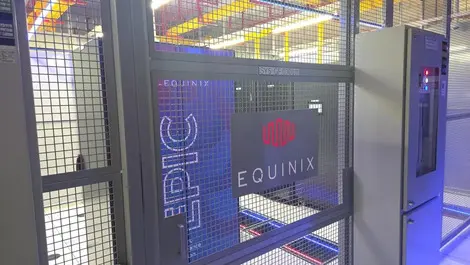
Enterprises can now test liquid-cooled AI systems in Sydney before committing to costly rollouts, as power and heat demands surge.
The tie-ups are aimed at making it easier for enterprises and cloud providers to run agentic AI in production across mixed infrastructure.
Enterprises racing to deploy AI systems can now test liquid cooling in live data centres before committing to large-scale infrastructure changes.
Data centre operators could free up more power for servers as the new architecture is designed to direct up to 90% of provisioned capacity to IT compute.