AMD stories
The move gives businesses running sensitive AI workloads hardware-enforced protection for prompts, model weights and intermediate data in Google Cloud.
Engineering teams can now automate verification and manage product variants more easily as the latest MATLAB and Simulink release adds AI tools.
Enterprise buyers get more deployment options as Dell adds AMD-based servers, modular systems and rack-scale infrastructure for AI workloads.
Supply constraints and tighter scrutiny could hit lead times, pricing and order fulfilment across the AI chip market if disruptions persist.
Researchers and AI operators get a lower-memory option in AMD's Helios platform, as the MI450X joins the MI400 line-up with 288GB of HBM4.
Customers running dense AI and supercomputing racks could cut storage spending by up to 82% and gain simpler liquid-cooling oversight.
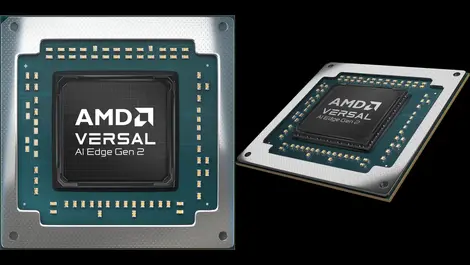
The new line aims to cut board-level security complexity for defence, infrastructure and fintech customers facing physical chip attacks.
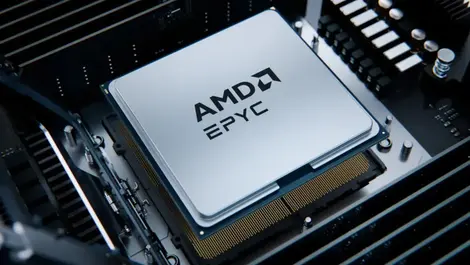
The new chips are already shipping from major hardware vendors as AMD targets heavier AI and cloud workloads in the data centre.
The new capital will fund engineering and sales expansion as PuppyGraph 1.0 goes live for enterprises needing AI agents to query data in place.
SMBs now face a more consequential hurdle than access: choosing AI tools that fit their needs, budgets and day-to-day workflows.
Rising AI power demand and grid delays are pushing operators to upgrade electrical systems as the market is forecast to reach USD $107.06 billion by 2034.
Businesses handling sensitive AI data can now run Kubernetes workloads inside trusted execution environments with added attestation and key controls.
Meta is boosting the computing base for its frontier models with AMD hardware, while AMD will invest USD $1 billion in the equity offering.
Developers will get a single route for PyTorch CPU tuning across both chip rivals, reducing fragmentation as AI workloads move onto x86 systems.
The move could let data centre builders use common blueprints for high-power AI systems, easing deployment of racks up to 250kW.
Enterprises building robots are being pushed to judge systems by timing, safety and reliability rather than peak compute alone.
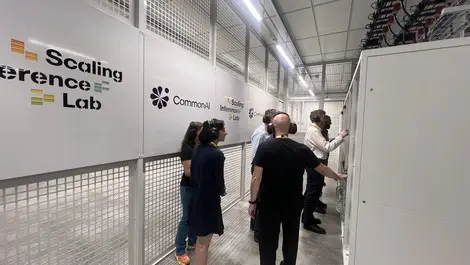
The new service targets higher costs and slower deployment for teams building models for robotics, manufacturing, biology and defence.
Businesses deploying chatbots and AI agents could cut serving bills as the open source project adds production tools for shared infrastructure.
The update lets businesses run sensitive AI workloads inside verified trusted execution environments on Kubernetes without exposing data or models to operators.
Backed by ARIA, the Harlow campus will host five AI clusters to give UK startups a neutral testbed for rack-scale systems by early 2027.